
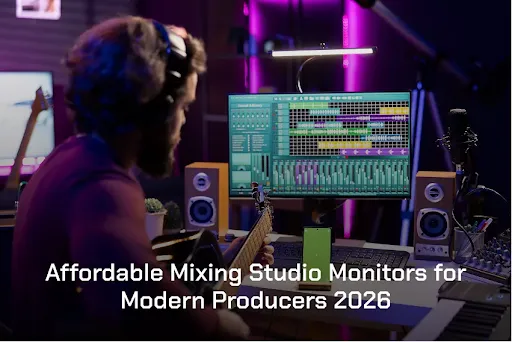
I’m going to tell you something that nobody told me when I started producing: your monitors matter more than almost anything else in your studio. Seriously. You can have the sickest plugins, the cleanest recordings, the most fire beats—but if your speakers are feeding you lies, your mixes will fall apart the moment they leave your room.
The frustrating part? I learned this the hard way. Spent months wondering why my mixes sounded muddy on everyone else’s systems when they sounded incredible on mine. Turns out, my cheap monitors were hyping the bass and making everything seem fuller than it actually was.
Here’s the silver lining, though. Finding the best studio monitors under 1000 USA producers actually use has gotten way easier. The technology has caught up to the price point. You can genuinely get monitors today that compete with what cost three grand a decade ago.
So let’s talk about what actually works in 2026—no fluff, no sponsored recommendations, just straight talk about which speakers will help you make better music.
Here’s Why Your Current Speakers Are Probably Lying to You
Consumer speakers are designed to impress you. They boost the bass, add sparkle to the highs, and smooth out the mids so everything sounds pleasant. Great for listening to Spotify while you cook dinner. Terrible for making mixed decisions.
Studio monitors do the exact opposite. They’re brutally honest. Sometimes painfully so. That vocal you thought sat perfectly? Your monitors should reveal that it’s actually fighting with your hi-hats in the upper mids. Those 808s that felt massive? Accurate monitors might show you they’re actually overwhelming everything else.
This honesty stings at first. But it’s exactly what you need.
For hip hop specifically—and I can’t stress this enough—low-end accuracy is everything. If your monitors exaggerate bass frequencies, you’ll instinctively mix your 808s quieter. Then your track plays on a real system, and suddenly your bass sounds weak and thin. I’ve seen this happen to countless producers.
The best studio monitors for mixing, USA engineers recommend, aren’t the ones that sound “best.” They’re the ones that sound true.
What Actually Matters When You’re Shopping
Before you start scrolling through options, let’s talk about what separates useful monitors from expensive paperweights.
Frequency Response (and Why “Flat” Is Good) – A flat frequency response means the monitors reproduce sound without adding their own flavor. What goes in is what comes out. This is how you make decisions that translate to other systems.
Driver Size Matters—But Not How You Think – Bigger woofers move more air and reach lower frequencies. But here’s the catch: in a small, untreated room, an 8-inch monitor will create bass problems that make mixing harder. Sometimes, 5 or 6-inch monitors are actually the smarter choice for bedroom studios.
Two-Way vs Three-Way Designs – Most affordable monitors use two drivers: a woofer for lows and mids, a tweeter for highs. Three-way monitors add a dedicated midrange driver. For mixing vocals and getting that critical midrange clarity that hip hop demands, three-way designs offer a significant advantage.
Built-In Room Correction – Some monitors include DSP that helps compensate for imperfect acoustics. If you’re producing in an untreated bedroom (most of us are), these features can bridge the gap between your space and professional results.
|
Ready to elevate your mixing game? Get accurate, reliable sound with top affordable studio monitors. |
The Monitors I’d Actually Recommend in 2026
Let me be real with you—I’m not going to list fifteen options and leave you more confused than when you started. Here are four monitors that genuinely deliver at their price points.
1. Kali Audio IN-8 V2 – My Pick for Serious Mixing
If someone put a gun to my head and told me to pick one monitor under a grand for mixing, I’d go with the Kali IN-8. And it’s not close.
Here’s why: this is a three-way design at a price point where three-way simply doesn’t exist from other manufacturers. That dedicated midrange driver makes an enormous difference when you’re trying to place vocals in a mix, get snares to punch through, or balance melodic elements.
The other thing I appreciate about Kalis is that they’re intentionally boring. They don’t flatter your mixes. They don’t add excitement. They show you exactly what’s there, which pushes you to make your actual music more exciting. That’s the whole point.
What you get:
- True three-way monitoring with dedicated midrange
- Honest low-end that doesn’t lie about your bass
- Boundary EQ for flexible room placement
- Sound that translates everywhere
Around $800 for a pair
2. Yamaha HS8 – The Reliable Workhorse
There’s a reason you see those white cones in studios everywhere. The HS8 continues Yamaha’s legacy from the legendary NS10s—monitors that helped engineers mix hits for decades, specifically because they were unforgivingly accurate.
The 8-inch woofer reaches down to 38Hz, which covers the fundamental frequencies of most 808s and bass instruments. The bi-amplified design keeps everything tight and controlled,d even at higher volumes. And the room control switches let you dial in response for your specific space.
These aren’t exciting speakers. They’re not going to make you go “wow” when you first hear them. But after mixing with them for a month, you’ll understand why professionals keep coming back.
What makes them work:
- Nearly flat response across the spectrum
- 120W power that handles dynamic material
- Room compensation is built in
- Decades of professional trust behind the design
Around $700 for a pair
3. ADAM Audio A7V – When Detail Is Everything
ADAM’s folded ribbon tweeter looks weird. Almost like a corrugated piece of metal sitting where the dome tweeter should be. But that unusual design reproduces high frequencies with detail that traditional tweeters can’t match.
For hip hop producers obsessing over hi-hat presence, vocal air, and that crispy top end that defines modern production—these monitors reveal everything happening above 10kHz with ridiculous clarity.
The onboard DSP adds serious flexibility, too. You can adjust voicing, apply room correction, and tweak the sound to match your space. If you’re building a studio you plan to grow into, the A7V has headroom to spare.
Standout features:
- X-ART ribbon tweeter for extended highs
- DSP-driven room correction
- Punchy 7-inch woofer
- Exceptional midrange detail for vocals
Around $900 for a pair
4. Focal Alpha 65 Evo – French Engineering, Real-World Price
Focal builds some of the most respected monitors in professional studios worldwide. The Alpha 65 Evo brings their Slatefiber cone technology down to an accessible price—and it shows.
These monitors deliver balanced sound with impressive dynamics in a compact package that won’t overwhelm a small room. The controlled bass response means you spend less time fighting room modes and more time actually mixing.
For producers working in bedroom studios where space is tight, the Alpha 65 Evo offers professional-level accuracy without requiring professional-level square footage.
Why they deliver:
- Slatefiber cone for balanced frequency response
- Compact design suits small spaces
- Tight bass that doesn’t overwhelm
- Optional wall mounts for flexibility
Around $600 for a pair
| Monitoring gear is a one-time investment—but bad beats pricing confusion can cost you more over time. |
Which Monitors Fit Your Situation?
| Monitor | Ideal For | Size | Price |
| Kali IN-8 V2 | Critical mixing, vocal clarity | 8″ 3-way | ~$800/pair |
| Yamaha HS8 | All-purpose accuracy | 8″ 2-way | ~$700/pair |
| ADAM A7V | High-frequency detail | 7″ 2-way | ~$900/pair |
| Focal Alpha 65 | Small rooms, tight spaces | 6.5″ 2-way | ~$600/pair |
Working in a treated room with space to breathe? The Kali IN-8 or Yamaha HS8 will give you the full picture, including solid low-end. Cramped bedroom with no treatment? The Focal Alpha 65 Evo won’t fight your room as much.
Building Out the Rest of Your Setup
Monitors don’t exist in isolation. Your whole signal chain affects what you hear.
Think about pairing quality speakers with the best audio interface USA producers recommend—clean conversion before sound even hits your monitors matters more than most people realize.
And for those late-night sessions when speakers aren’t an option, the best open-back headphones under 200 USA become essential for checking mixes without disturbing anyone.
Don’t forget acoustic treatment either. Even basic foam panels at first reflection points and bass traps in corners will improve what you hear more than spending an extra few hundred on monitors.
Of course, great monitors need great source material. Buy hip hop beats USA producers trust at JBZ Beats—instrumentals for sale USA artists are using for professional releases, with transparent licensing and instant downloads. The exclusive beats for sale USA catalog keeps growing with fresh sounds weekly.
Getting Real Results From Your Monitors
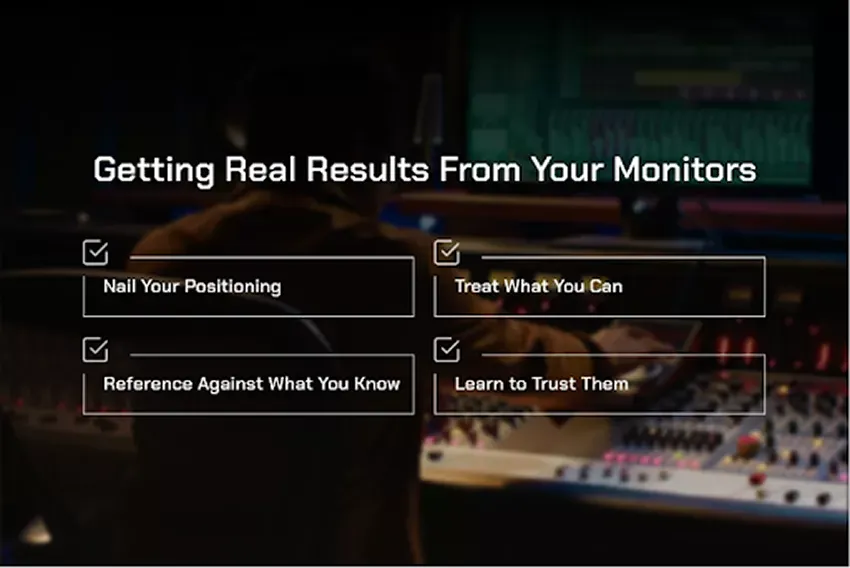
Dropping money on quality speakers is step one. Here’s how to actually get your money’s worth:
Nail Your Positioning – Set up an equilateral triangle between your head and both monitors. Tweeters at ear level. Keep them away from walls if possible, or use the boundary EQ settings to compensate.
Treat What You Can – You don’t need a perfectly designed room. Bass traps in the corners and absorption panels where sound first reflects off walls make a huge difference for minimal cost.
Reference Against What You Know – Pick three or four professional tracks you know sound incredible everywhere. Compare your mixes constantly. This teaches you how your monitors translate to the real world.
Learn to Trust Them – This takes time. But once you know your monitors inside and out, you’ll make confident decisions faster. If something sounds off, it probably is.
Time to Hear Your Music Properly
Look, the best studio monitors under 1000 that USA producers have access to right now are genuinely impressive. Any option I’ve covered here will help you make better mixing decisions than whatever gaming speakers or consumer bookshelf setup you’re currently using.
What matters is getting started. Pick monitors that fit your room and budget. Learn them intimately. Put in the work.
Ready to put your new setup through its paces? Buy rap beats online USA at JBZ Beats LLC and hear how professional instrumentals sound through proper monitoring. With 18 years of experience and counting, Jared White and the JBZ team provide the beats and knowledge independent artists need to level up.
FAQs
What are the best studio monitors under 1000 USA for mixing rap and hip hop?
The Kali Audio IN-8 V2 and Yamaha HS8 consistently top recommendations for hip hop production. Kali’s three-way design handles vocal placement and midrange detail exceptionally well, while Yamaha’s flat response helps you nail bass-heavy mixes that translate to other systems.
Should I add a subwoofer to my studio monitor setup?
It depends on your monitors and your music. Eight-inch monitors like the Yamaha HS8 reach down to 38Hz, which covers most musical content. But if you’re producing 808-heavy tracks and want to accurately monitor sub-bass below 40Hz, a dedicated studio subwoofer helps you hear what’s really happening down there.
Can budget studio monitors deliver professional-quality mixes?
Absolutely. Monitors under $1000 today offer accuracy that matches mid-tier professional gear from previous generations. Hit records have been mixed on speakers costing less than this. What matters more than price is learning your monitors deeply and treating your room properly.
What monitor size works best for a bedroom studio?
For untreated rooms under 150 square feet, 5-6-inch monitors typically behave better than larger options. Bigger woofers move more air at low frequencies, which creates bass buildup problems in small spaces. The Focal Alpha 65 Evo handles compact environments particularly well without overwhelming them.
How do I know which studio monitor brand to choose?
Focus on your needs rather than brand reputation. Yamaha offers reliable neutrality. ADAM delivers exceptional high-frequency detail. Kali provides serious value with features above their price point. Focal brings refined engineering to accessible prices. If possible, listen to each in person and match to your room size and mixing priorities.

