
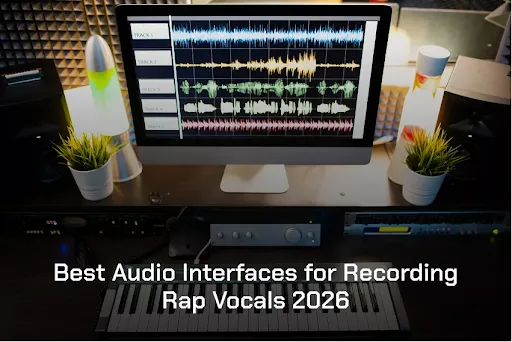
Let’s be honest—there’s never been a better time to record professional-sounding rap vocals from your bedroom. The gear that used to cost thousands now fits on your desk and your budget. But here’s the thing: choosing the best audio interface USA producers actually recommend can feel overwhelming when every brand claims to be “the one.”
I’ve been around this game long enough to know what actually matters when you’re laying down verses. So let’s cut through the noise and talk about which interfaces genuinely deliver for hip hop artists.
Whether you’re tracking your first demo or building out a serious catalog, this guide covers everything from entry-level gems to mid-range powerhouses. And once you’ve got your setup dialed in, you’ll want quality rap beats USA artists are using—head over to JBZ Beats, where you can buy hip hop beats USA style with clear licensing and instant downloads.
What Actually Matters When Recording Rap Vocals?
Here’s what nobody tells beginners: expensive doesn’t always mean better. What matters is matching your interface to how you work. Rap demands clarity. It demands punch. And it absolutely demands capturing every ounce of emotion in your delivery.
So what should you actually look for?
Transparent Preamps – This is where your voice gets amplified before hitting your DAW. Cheap preamps add noise and mud. Quality preamps? They capture every syllable clean, letting your natural tone shine through.
Near-Zero Latency – Ever tried recording while hearing your voice delayed in your headphones? It’s a vibe killer. Seriously. The best interfaces keep latency so low you forget it exists.
Enough Gain for Demanding Mics – If you’re eyeing a Shure SM7B (and honestly, you probably should be), you need an interface pushing +60dB of gain minimum. Otherwise, you’re cranking levels and introducing noise.
Solid Converters – The AD/DA converters translate your analog voice into digital and back again. Look for 24-bit/192kHz resolution. That’s become the standard for professional-quality recordings.
Top Audio Interfaces for Hip Hop Production in 2026
Alright, let’s get into gear. These are the interfaces I’d actually recommend to artists who ask me what to buy.
1. Focusrite Scarlett 2i2 (4th Gen) – The One Everyone Trusts
There’s a reason this red box shows up in nearly every home studio photo you’ve ever seen. The Scarlett 2i2 earned its reputation, and the fourth generation pushes things even further.
What makes it work for rappers specifically? The redesigned preamps capture vocals with serious clarity. But the real magic is the Air mode—it adds this expensive-sounding presence to your voice that helps it cut through even the densest instrumentals that USA producers are creating.
The highlights:
- Upgraded preamps with noticeably better detail
- Air mode adds that professional studio shimmer
- Auto-gain for beginners who aren’t sure about levels yet
- USB-C bus-powered so that you can record anywhere
Runs about $180–$200
2. Universal Audio Volt 276 – When You Want Character Built In
Okay, this one’s special. The Volt 276 comes with a built-in analog compressor inspired by UA’s legendary 1176. Translation? Your vocals come out punchy and controlled without touching a plugin.
I recommend this to artists who want recordings that sound polished the moment they hit the record button. The Vintage mode adds this warm, tube-like character that makes vocals sit perfectly in a mix. And the three compression presets (Vocal, Guitar, Fast) mean you don’t need an engineering degree to get great results.
For hip hop specifically, that built-in compression handles the dynamic range of rap beautifully—whispers to screams, all controlled.
Runs about $300–$350
3. MOTU M2 – The Low-Latency King
Some interfaces claim low latency. The MOTU M2 actually delivers it. The ESS Sabre32 Ultra DAC technology inside this thing produces sound quality you’d expect from units costing way more.
What I love about it for vocalists: the LCD metering lets you see exactly where your levels sit, the +60dB gain handles demanding mics without breaking a sweat, and the loopback function is clutch if you’re streaming or creating content beyond just music.
Independent artists across the USA have made this their go-to for good reason.
Runs about $180–$200
4. SSL 2+ MK2 – Bring the Big Studio Home
When your budget allows for it, the SSL 2+ delivers that legendary Solid State Logic sound to your desk. We’re talking about the same company whose consoles shaped countless classic records.
The dual headphone outputs make this perfect for collaboration—record while a producer or engineer monitors alongside you. The 4K button adds high-end presence that flatters vocals. And the build quality? Rock solid.
Runs about $300–$350
|
Monthly subscriptions can add up, often costing more than a one-time software purchase. Confused about beat prices? |
Quick Comparison: Which One Fits Your Situation?
| Interface | Best For | Price Range |
| Focusrite Scarlett 2i2 | All-around home recording | ~$190 |
| MOTU M2 | Ultra-low latency needs | ~$200 |
| UA Volt 276 | Built-in vocal processing | ~$320 |
| SSL 2+ MK2 | Professional console tone | ~$350 |
Starting out? The Scarlett 2i2 or MOTU M2 gives you incredible value. Recording daily and want that analog character baked in? The Volt 276 saves serious time during mixing.
Speaking of mixing—once you’ve tracked your vocals, you need beats that match your energy. JBZ Beats offers exclusive beats for sale to USA artists, with transparent licensing and the BUY 1 GET 10 FREE deal that’s helped thousands of independent rappers build their catalogs.
Recording Tips That Actually Make a Difference
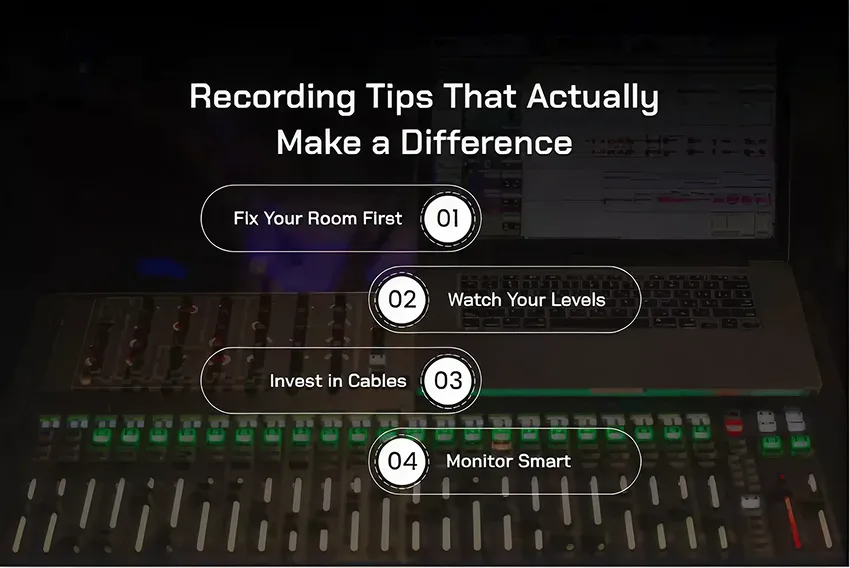
Your interface matters, but it’s only one piece of the puzzle. Here’s what separates amateur recordings from professional ones:
Fix Your Room First – Even the best audio interface USA money can buy won’t save vocals recorded in a bathroom-echo nightmare. Hang some moving blankets, grab a reflection filter, and treat those corners. It costs almost nothing and changes everything.
Watch Your Levels – Aim for peaks around 6dB to -12dB. This gives you headroom for mixing without clipping. Nothing ruins a great take like digital distortion.
Invest in Cables – I know, boring. But balanced TRS cables reduce interference and keep recordings clean. Worth every penny.
Monitor Smart – Closed-back headphones prevent your beat from bleeding into your mic during tracking. Save the open-backs for mixing.
Building Out Your Complete Setup
Your interface is the heart of your studio, but the rest of your gear matters too. Consider investing in:
- Best studio monitors under 1000 USA – You need to hear what’s actually happening in your mix
- Best open-back headphones under 200 USA – Essential for detailed mixing reference
- Best studio monitors for mixing USA – Accurate translation means your tracks sound good everywhere
And if mixing isn’t your thing? JBZ Beats offers professional mixing and mastering services to give your tracks that final polish.
|
Ready to record like a pro? Find the perfect audio interface for your setup. |
Time to Start Recording
Look, the “best” audio interface is the one that fits your workflow and budget. Every option I’ve covered here delivers professional results for hip hop production. The differences come down to features and character—not quality.
What matters most is actually recording. Your first tracks won’t be perfect. Nobody’s are. But with solid gear and consistent practice, you’ll develop the ear and skills to compete with anyone.
Ready to create something? Buy rap beats online USA style at JBZ Beats LLC and find the perfect instrumental for your next session. With 18 years of experience helping independent artists, Jared White and the JBZ team understand what you’re building toward.
FAQs
What’s the best budget audio interface for recording rap vocals in 2026?
The Focusrite Scarlett 2i2 4th Gen and MOTU M2 both deliver exceptional quality under $200. For independent rappers building a home studio, either one produces professional-level recordings without stretching your budget thin.
Do I really need an expensive interface for hip hop production?
Honestly? No. Interfaces in the $150–$350 range provide everything you need—quality preamps, low latency, solid converters. The Universal Audio Volt 276 adds built-in compression that’s genuinely useful for rap vocals, making it worth the extra investment if you’re serious.
Which interface has the lowest latency for recording?
The MOTU M2 leads its class here. The optimized drivers deliver minimal delay even during complex sessions, making real-time monitoring feel completely natural.
Can USB interfaces produce professional rap vocals?
Absolutely. Modern USB-C interfaces like the SSL 2+ and Focusrite Scarlett series offer 24-bit/192kHz conversion that matches expensive studio gear. Plenty of charting records were tracked on affordable USB interfaces.
What features matter most for hip hop vocal recording?
Clean preamps with sufficient gain, low-latency monitoring, and quality converters. For rap specifically, interfaces with character options—like the Volt 276’s vintage mode—help vocals punch through dense instrumentals.

